Local drains
Tin shacks to tuckpointed brick
Subiaco's land was surveyed and first auctioned in 1883, and the 1890s brought working families who lived in tents and tin shacks before building in timber. Brick followed: one heritage-listed house on Francis Street dates from 1906, a Federation Queen Anne home of face brick with a tuckpoint finish, recorded as typical of the suburb's many four and five room brick homes. The first brick of the Workers' Homes Board went down on Hensman Road in 1912.
Pipe under a house that age has had more than a century for roots and settling ground to find its weak points. Council guidance on root damage says it typically gets in through faulty joints and cracks in old-style earthenware clay. The other side of Subiaco is new: by 2021, 41.7 per cent of homes were flats or apartments, where one blockage can back up into several homes.
We've booked 62 Subiaco jobs between August 2024 and September 2026. More than two in five of the job notes mention the sewer line, and about a third mention relining. About one in six mention roots and about one in eight a collapsed pipe.
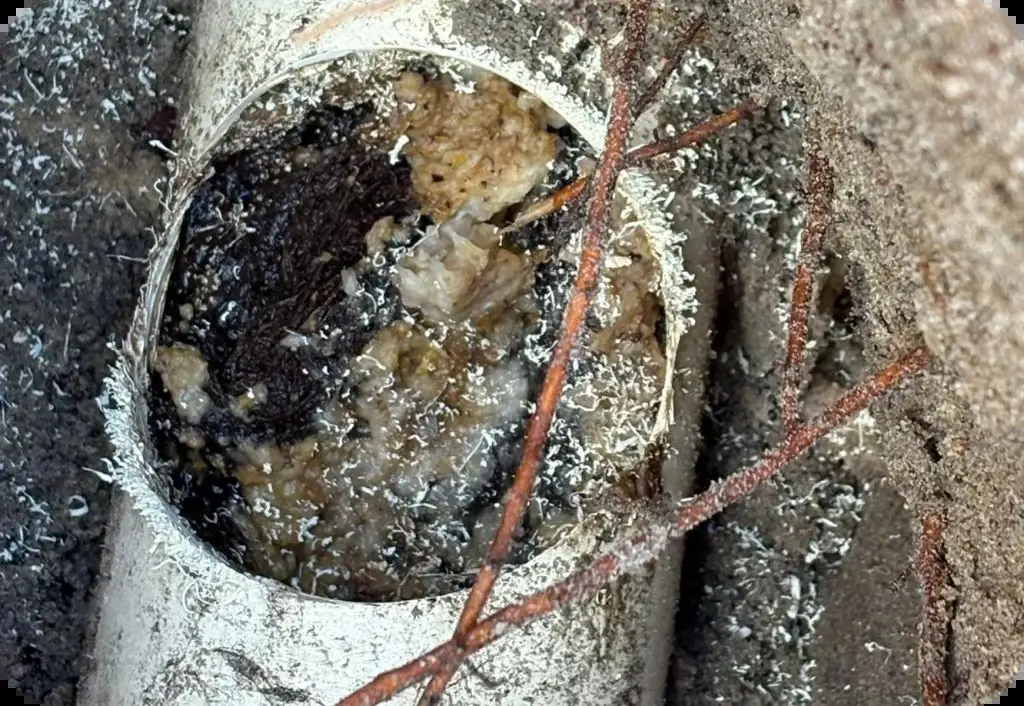
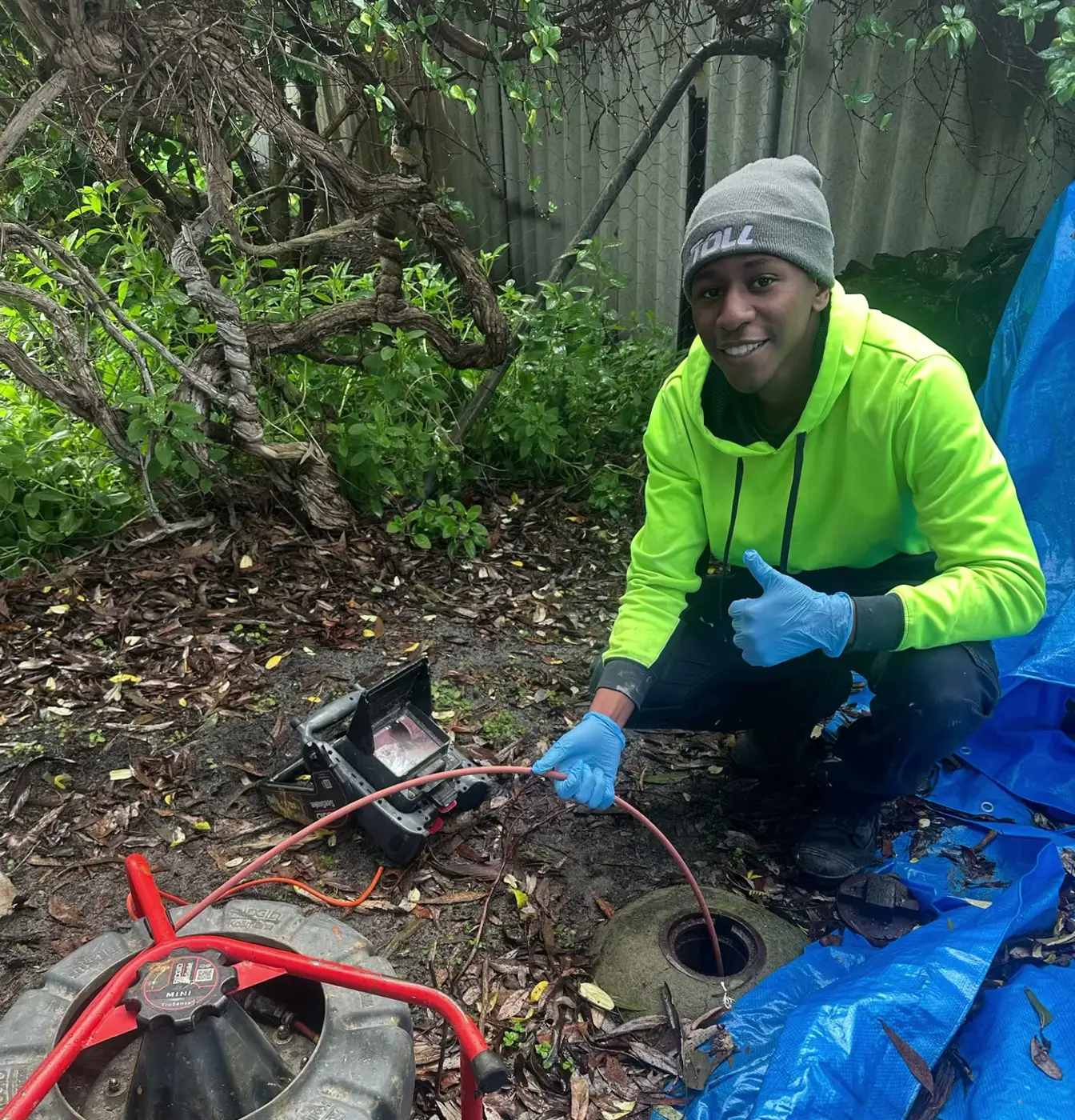
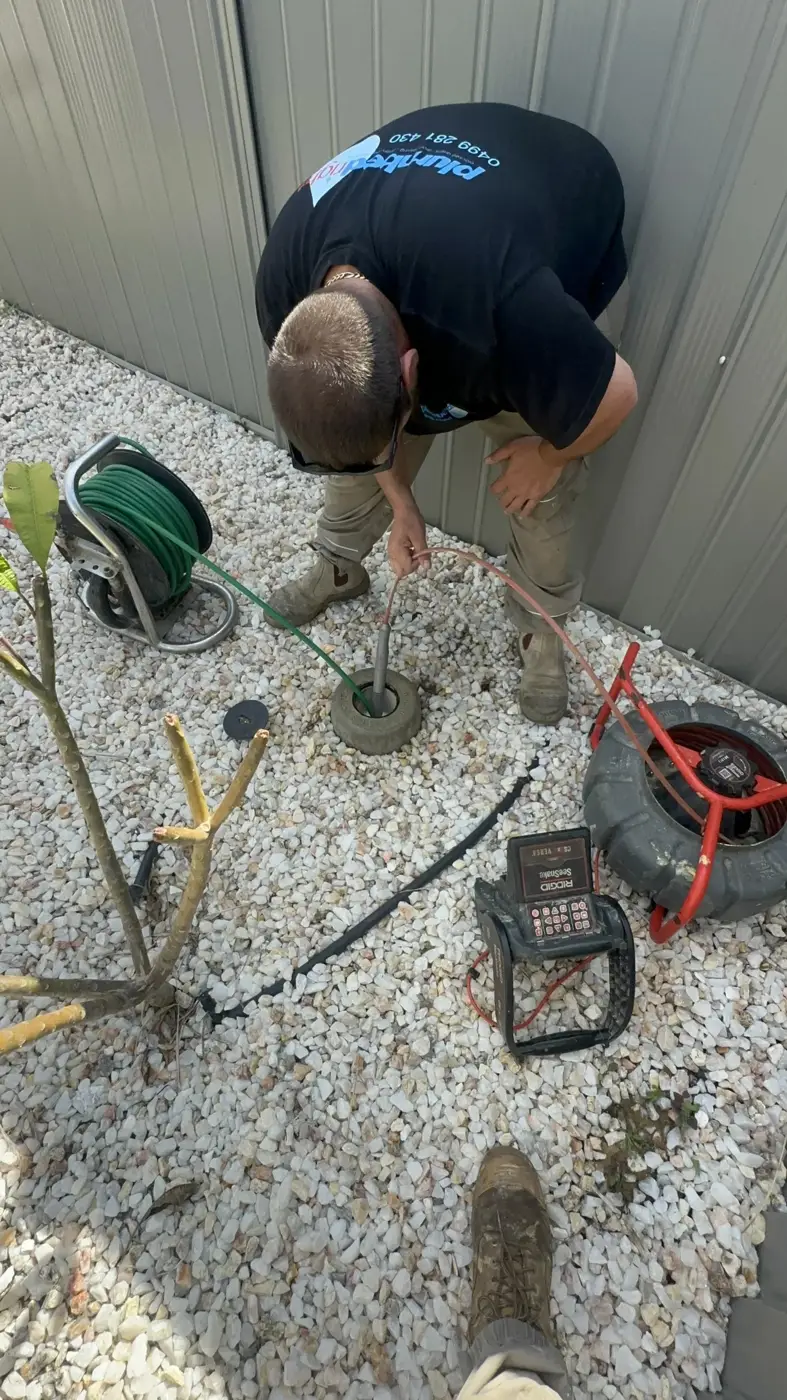
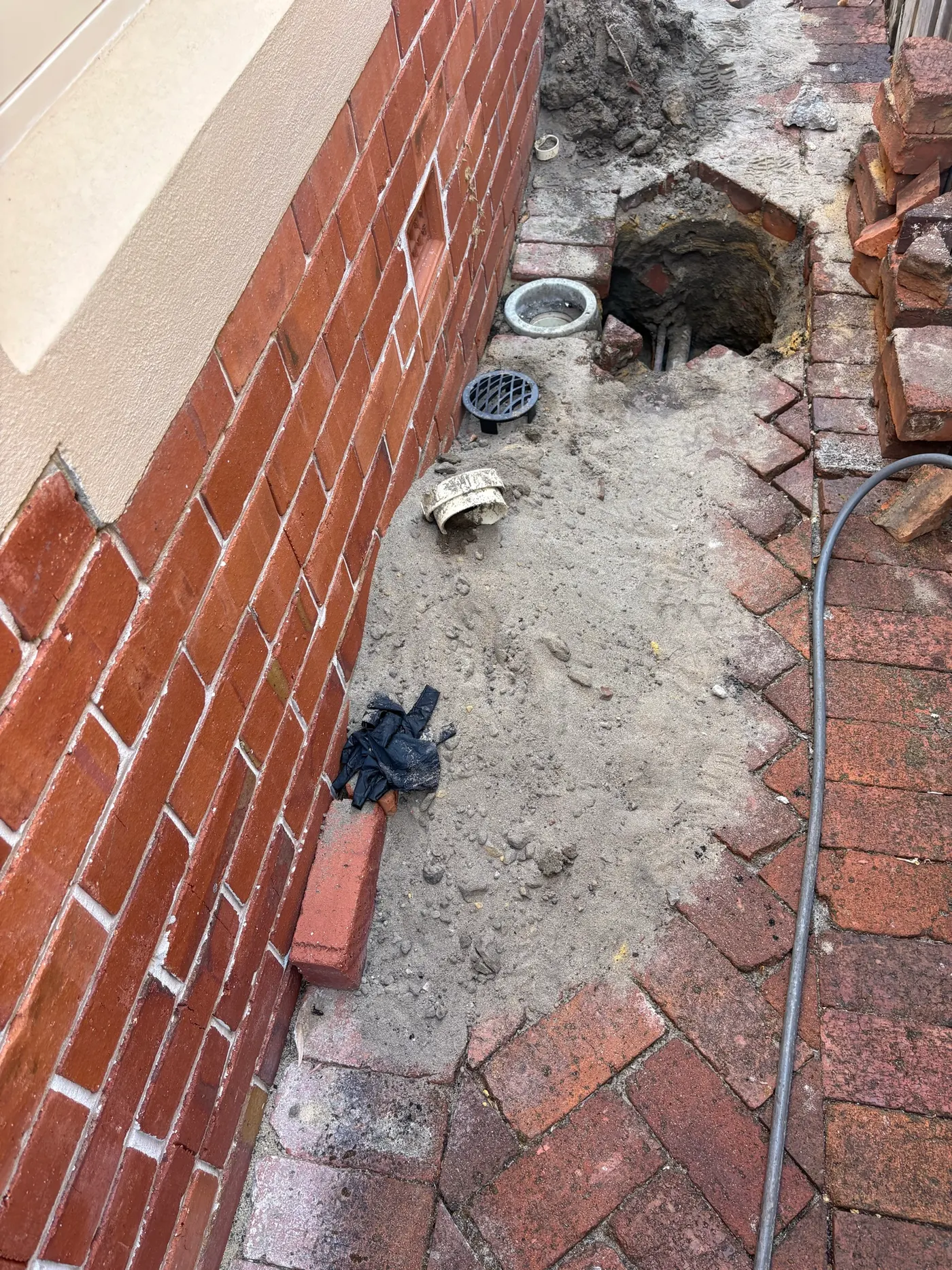
In February 2026 we exposed a jump-up inspection shaft at a Subiaco property, then jetted out a root blockage between the shaft and the Water Corporation junction. The camera showed roots getting into that section, so we quoted to reline it, which stops the roots without a trench.