Grease and fat are major culprits behind drain blockages in plumbing systems. When these substances enter pipes, they solidify and create obstructions, which can lead to slow drainage and unpleasant odors. Over time, they can trap food particles, resulting in stubborn clogs that increase pressure and risk pipe damage. Stagnant water from these blockages can foster harmful bacteria and pests, raising health concerns. Understanding the problems grease and fat cause reveals the importance of proper waste disposal and regular maintenance to keep drains functioning smoothly. There’s more to uncover about these issues and their solutions.
Key takeaways
- Grease and fat solidify in pipes, leading to restricted water flow and eventual blockages.
- Accumulated blockages from grease can increase pressure in plumbing systems, resulting in potential damage and costly repairs.
- Stagnant water caused by blockages fosters harmful bacteria and pests, posing health risks.
- Sewage overflows from clogged drains can contaminate local soil and waterways, increasing environmental pollution.
- Regular maintenance and professional intervention are essential in addressing grease-related drainage issues effectively.
Understanding blocked drains
Blocked drains can be a hidden menace lurking in the plumbing systems of homes and businesses alike. These obstructions occur when foreign materials impede the smooth flow of wastewater, leading to potentially serious consequences.
Commonly, such issues can escalate, resulting in pipe damage, unpleasant odors, and even flooding. When ignored, blocked drains may invite pests, further complicating the problem. Understanding the formation of these blockages is essential, as they disrupt everyday activities. A proactive approach, including regular inspection and maintenance, can help mitigate the risks associated with blocked drains, ensuring a healthy and efficient drainage system for everyone involved.
Why grease and fat block drains
Grease and fat may seem harmless when poured down the drain, but their impact on plumbing systems can be quite severe. These substances easily find their way into pipes during routine kitchen activities.
Grease and fat may appear harmless in the drain, but they can seriously damage plumbing systems over time.
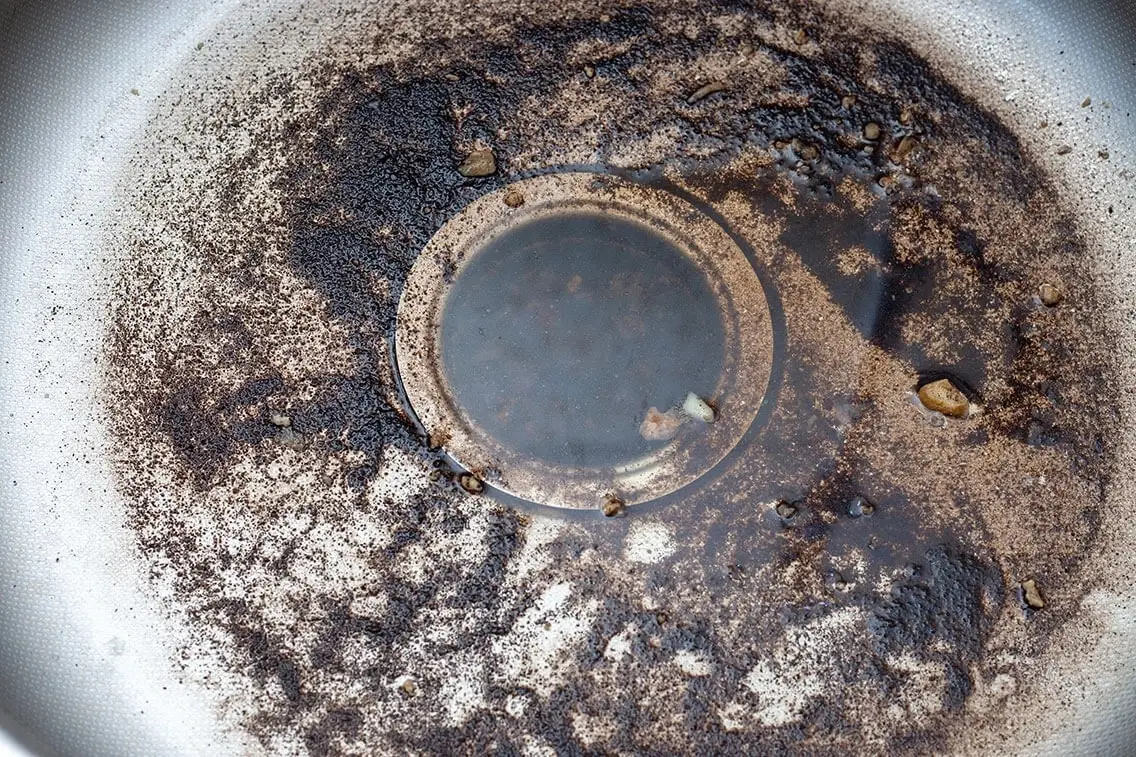
Unfortunately, they don’t dissolve like water; instead, they solidify, leading to significant problems:
- Grease coats pipe walls, gradually restricting water flow.
- Solidified fat can trap food particles and debris, creating stubborn blockages.
- Over time, these blockages can escalate, leading to costly repairs.
Understanding how grease and fat affect drains is essential for maintaining a functional plumbing system and preventing serious issues down the line.
Impact of grease and fat on the drainage system
The impact of grease and fat on the drainage system can be both immediate and long-lasting, affecting not just the pipes but also the overall efficiency of home plumbing. Initially, homeowners may notice slow drainage and unpleasant odors, signaling a problem.
Over time, solidified grease can accumulate, leading to severe blockages that increase pressure within pipes. This pressure can damage plumbing infrastructure, resulting in costly repairs.
Additionally, stagnant water trapped by grease creates hygiene concerns, which could interfere with the household’s functionality. Hence, understanding the importance of managing grease and fat is essential to maintaining a healthy drainage system. Regular maintenance, such as drain cleaning, can prevent these issues from arising.
Health and environmental impact of grease and fat blockages
When drains become blocked with grease and fat, the consequences extend far beyond mere inconvenience. These blockages create significant health and environmental challenges:
- Stagnant water can become a breeding ground for harmful bacteria and pests.
- Sewage overflows can contaminate soil and local waterways, posing serious risks to ecosystems.
- Blockages also interfere with water treatment processes, worsening pollution.
Consequently, neglecting these issues can lead to dire situations.
Maintaining clean drains is essential, not just for convenience, but for the health of communities and the environment.
Clean drains are crucial not only for convenience but also for safeguarding community health and the environment.
Awareness of these impacts is vital in fostering responsible waste disposal practices.
The role of professionals in handling grease and fat blockages
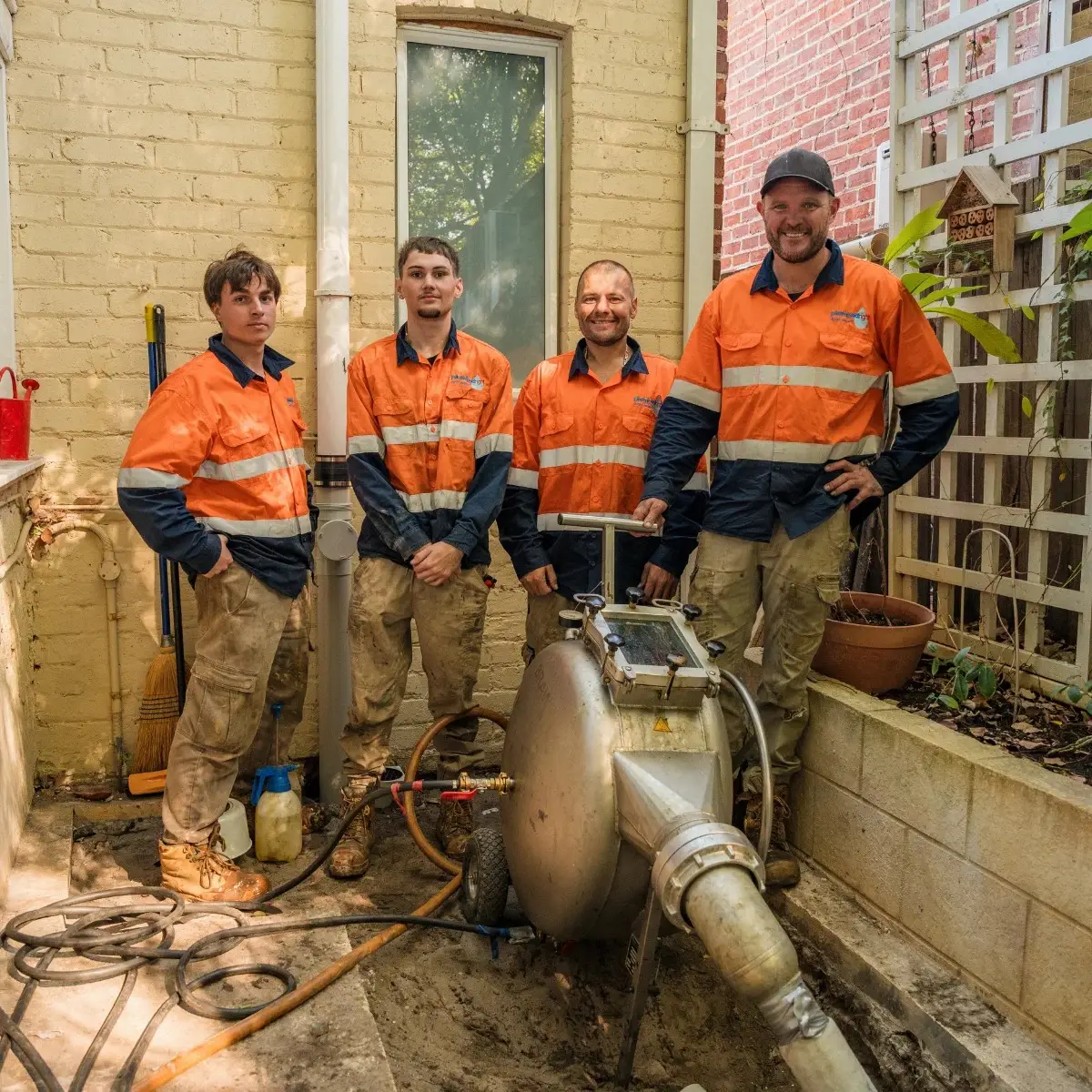
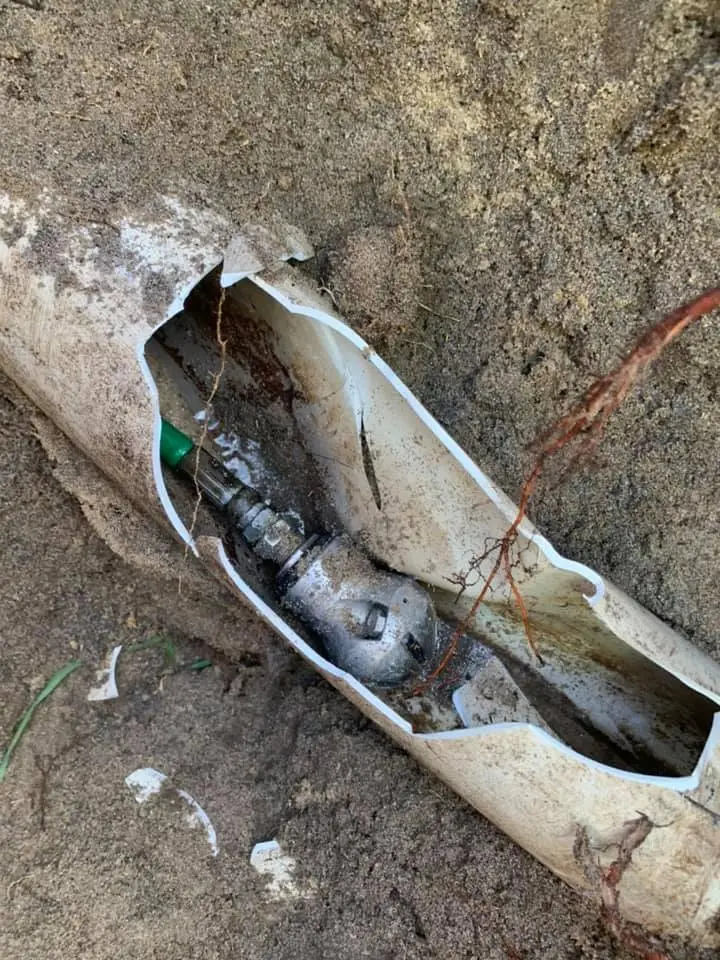
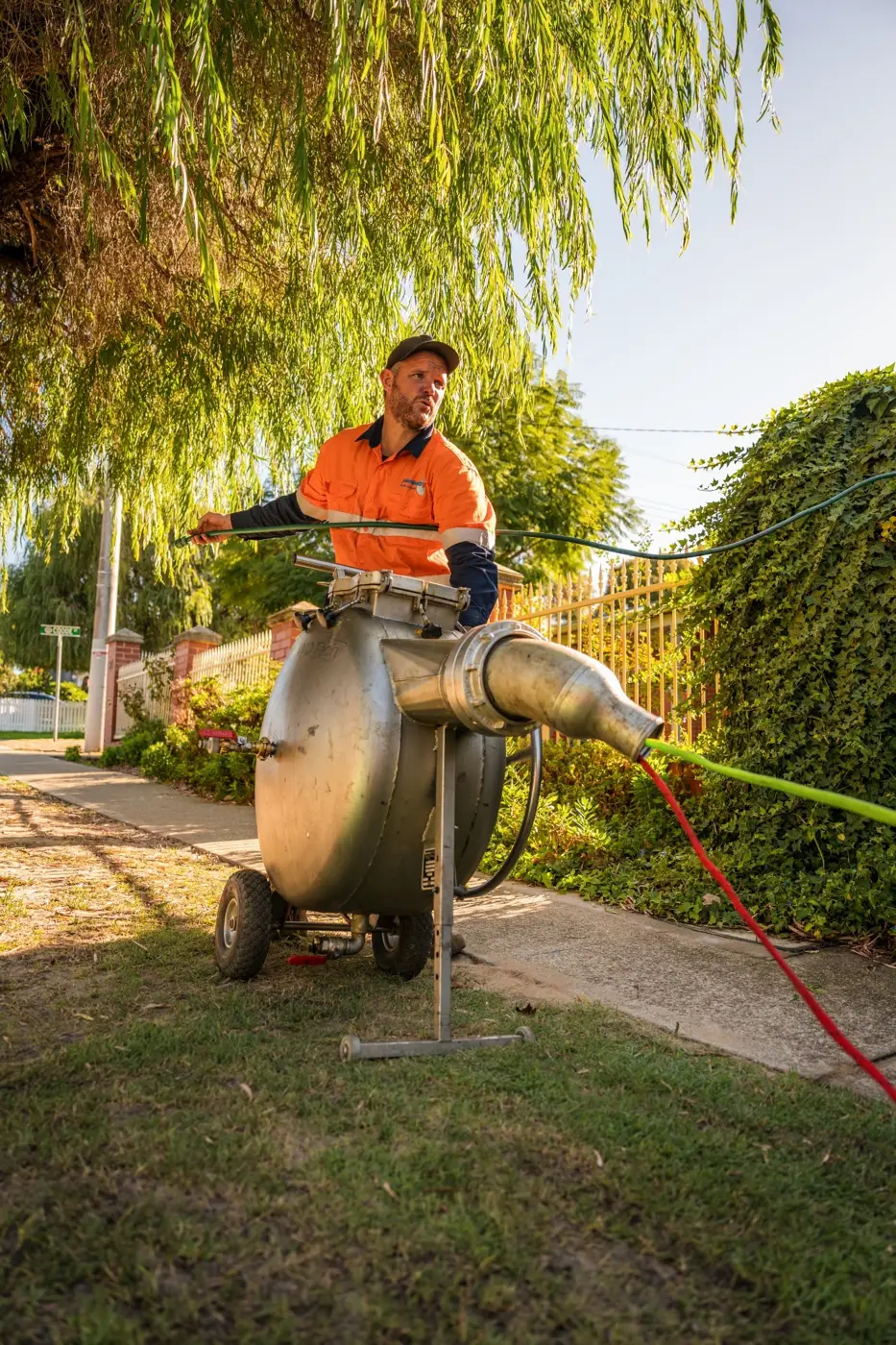
Although many homeowners attempt to manage drain blockages independently, significant obstructions often require the expertise of professionals. Congealed fat needs to be cut off the pipe wall, which is what hot water jetting does and a plunger does not.
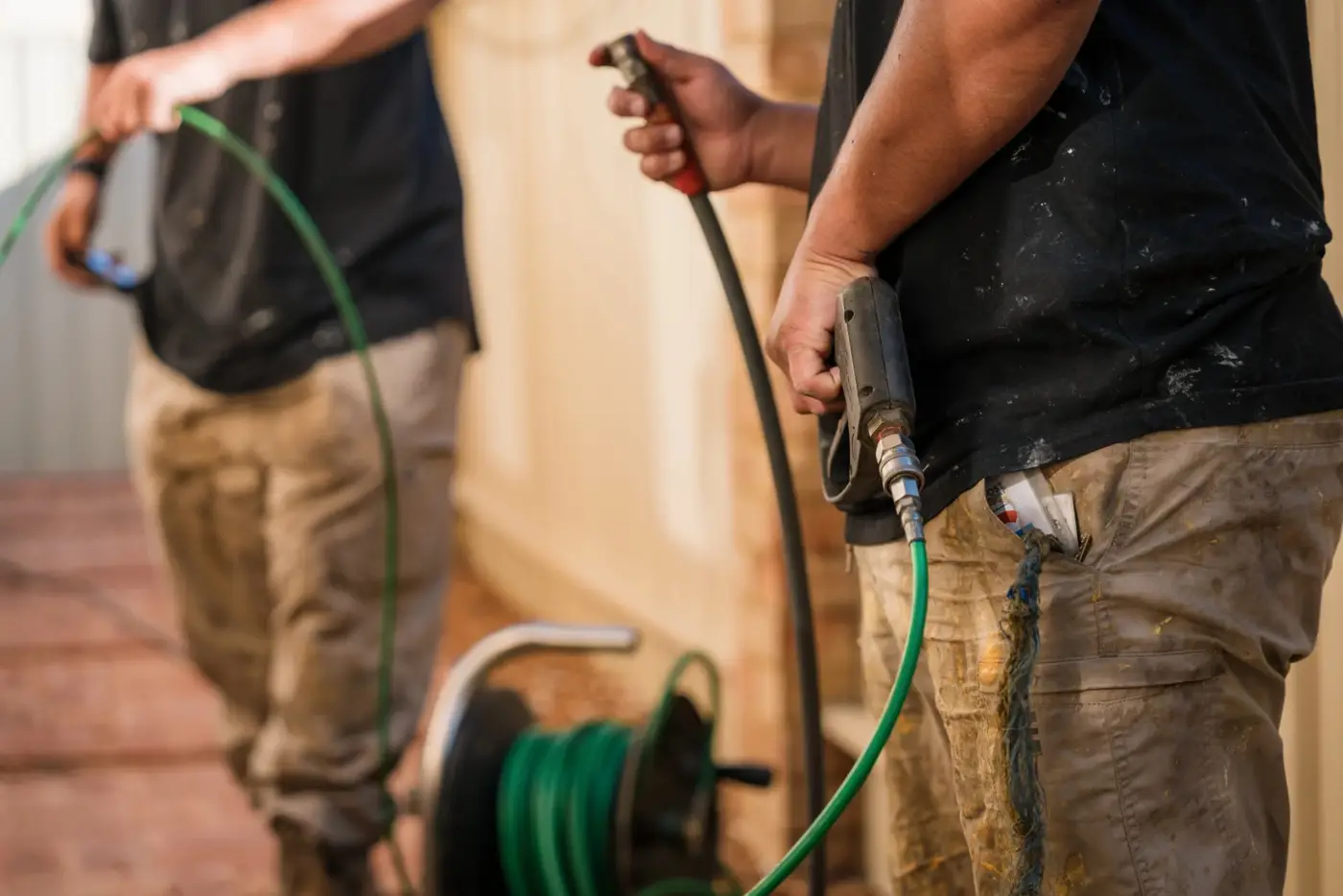
These specialists are trained to tackle stubborn grease and fat accumulations that can wreak havoc on plumbing systems. Equipped with advanced tools, they can effectively dislodge blockages without causing additional damage.
In addition, professional intervention helps restore peak water flow, ensuring waste moves freely through the pipes.
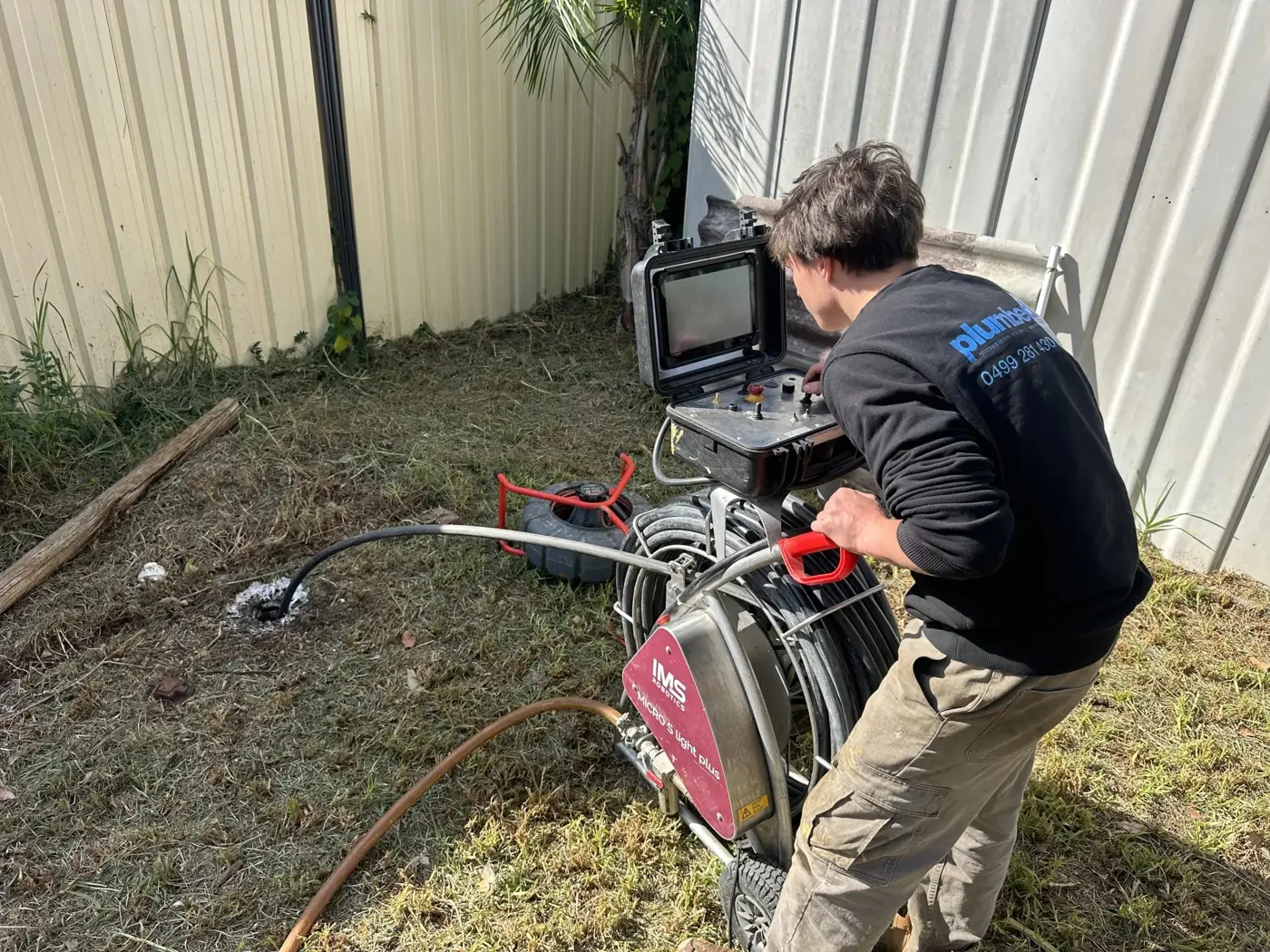
Besides resolving immediate issues, these experts offer essential guidance on maintaining a healthy drainage system. Furthermore, they utilise advanced tools such as CCTV drain cameras to accurately diagnose and address underlying issues in the plumbing system.
Frequently asked questions
How can I prevent grease from entering my drains?
To prevent grease from entering drains, one effective strategy is to dispose of fats and oils in the trash rather than pouring them down.
Using strainers while washing dishes can also catch food debris before it enters the drain. Additionally, encouraging the use of a compost bin for food scraps can minimise the amount of waste that reaches the plumbing.
Regular hot water flushes can help keep pipes clear and reduce grease buildup.
What are the signs of a grease blockage?
Signs of a grease blockage in drains often reveal themselves through slow drainage, gurgling sounds, and unpleasant odors.
When water starts pooling in sinks or tubs, it’s a clear indication something’s wrong. The presence of these symptoms suggests that grease has accumulated, restricting the flow.
Ignoring these signals can worsen the problem, leading to more significant issues down the line. Consequently, early recognition is key to preventing serious plumbing complications.
Can I use chemical solutions to clear grease clogs?
Using chemical solutions to clear grease clogs is often a tempting option, but it may not always be the best choice.
While some chemicals can break down grease, they might also harm pipes and the environment. Additionally, if the blockage is severe, chemicals might not work effectively.
Instead, it’s wise to consult a professional. They can guarantee safe and thorough clearing of the blockage while providing tips to prevent future issues.
How often should I maintain my drains?
Regular maintenance of drains is recommended at least twice a year to prevent blockages. This proactive approach helps identify potential issues before they escalate, ensuring smooth wastewater flow.
Homeowners should also inspect their drains monthly for any signs of slow drainage or unpleasant odors, which can indicate early problems. By being vigilant and addressing maintenance needs promptly, individuals can avoid costly repairs and keep their plumbing system functioning effectively.
What are the costs associated with professional drain cleaning?
Simple tasks may incur lower fees, while complex blockages may demand specialised tools, increasing expenses.
Additionally, regular maintenance can help avoid larger costs in the future by preventing severe clogs.
Investing in professional services ultimately guarantees a healthier drainage system and can save homeowners from costly repairs later on.
Conclusion
In summary, tackling the issue of grease and fat in drains is essential for maintaining a healthy plumbing system. Homeowners must be aware that these cooking residues can lead to blockages, resulting in unpleasant odors, stagnant water, and costly repairs. By understanding the risks associated with improper disposal of fats and greases, individuals can take preventative measures. Engaging professionals when blockages occur guarantees effective solutions, protecting both the plumbing and the environment from further harm.